
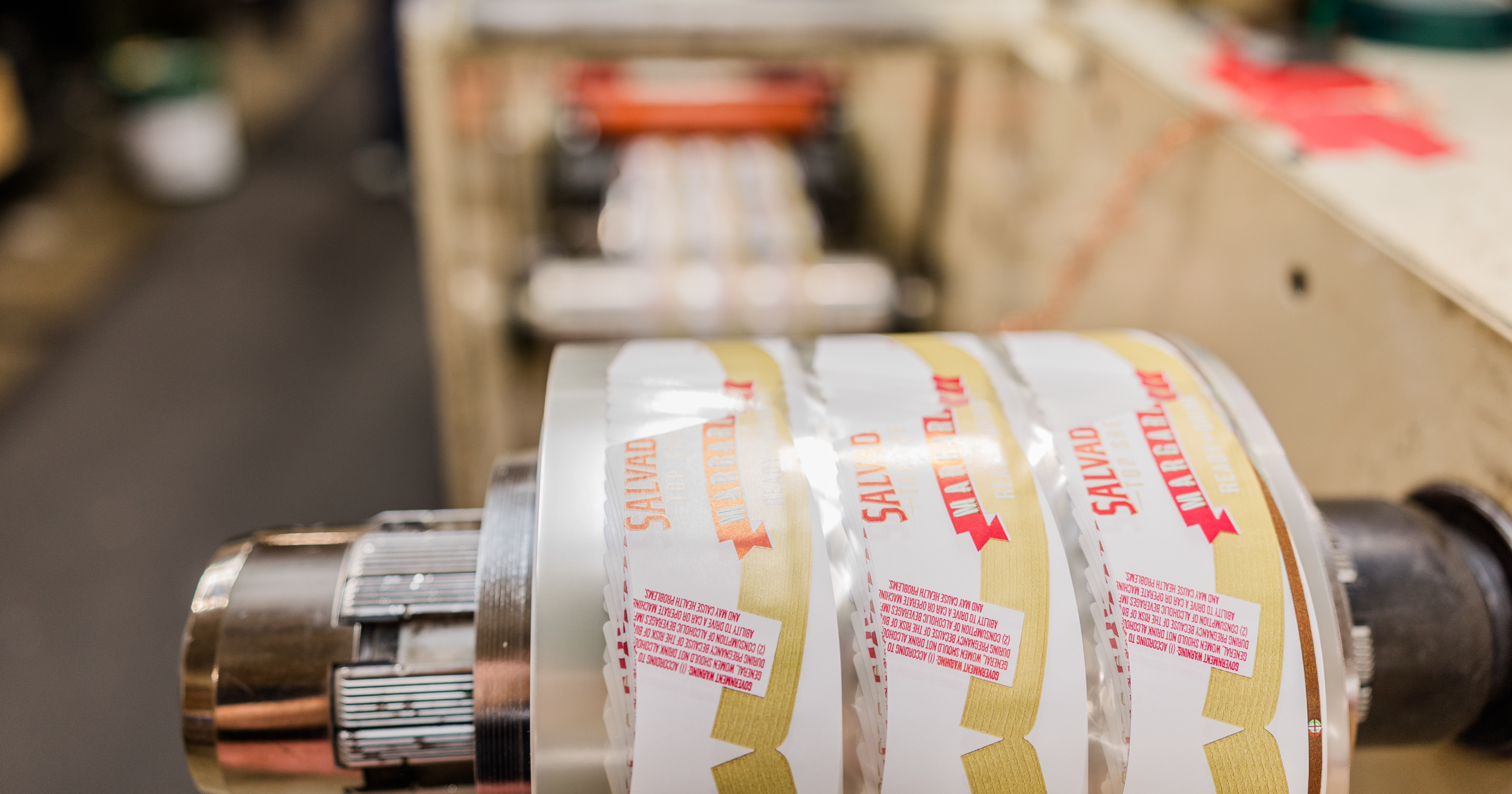
With Q4 approaching, manufacturers are conducting a label material audit to identify opportunities for improvement before year-end. This is the ideal moment to audit and shift substrates for better performance, sustainability, or compliance — without disrupting Q1 production.
The key to successful material transitions lies in methodical evaluation, collaborative planning, and phased implementation. By taking action now, you can head into 2026 with optimized labeling solutions that enhance product performance, reduce costs, and align with evolving compliance requirements.
Ready to conduct your label material audit? Contact Systems Graphics to leverage 40 years of material expertise in identifying improvement opportunities and planning smooth substrate transitions.
1. How Do You Conduct a Year-End Label Material Audit?
A comprehensive examination of your current substrates can reveal opportunities that might otherwise go unnoticed until problems pop up. Begin by collecting performance data across your entire product line, analyzing failure rates, application challenges, and feedback from production teams. This year-end material audit for labels should assess both technical performance and business objectives.
According to industry material selection standards, conducting a thorough label material audit requires understanding how your substrates perform under real-world conditions specific to your applications.
Key areas to review during your label material audit include:
- Adhesion performance across temperature ranges to document any peeling, lifting, or application failures in cold storage, shipping, or retail environments
- Substrate durability under actual conditions, including resistance to moisture, UV exposure, abrasion, and handling throughout the supply chain
- Print quality consistency that maintains color accuracy and readability without shifting, smudging, or degradation
- Application efficiency metrics encompassing line speeds, waste rates, and downtime associated with current materials
- Sustainability alignment comparing existing substrates against corporate environmental goals and emerging regulations
- Cost-per-unit analysis factoring in material costs, waste, labor, and any quality-related returns or replacements
Work closely with your label converter during this assessment phase. Systems Graphics helps identify performance gaps and recommend alternatives tailored to your specific applications and industries, whether you’re in food and beverage, spirits, nutraceuticals, beauty, healthcare, automotive, industrial, or chemical sectors.
2. Planning Material Transitions With Minimal Disruption
Once your audit identifies improvement opportunities, develop a detailed transition strategy that protects production continuity. This approach requires coordination between your team, suppliers, and label converter to ensure seamless implementation.
Start by prioritizing which products or SKUs should transition first. Consider factors such as production volume, seasonal demand patterns, and inventory levels. Products with lower production frequency or upcoming reformulations make ideal candidates for initial substrate changes, allowing you to test new materials without risking high-volume lines.
Critical planning steps include:
- Sample testing across production equipment to identify any tension or application adjustments needed on actual filling lines
- Establishing performance benchmarks that set clear success criteria for the new substrate based on your audit findings
- Coordinating inventory timing through planned drawdown of existing material stock while scheduling delivery of new substrates
- Communicating with stakeholders by briefing production teams, quality control, and warehouse staff on upcoming changes and what to monitor
- Building in buffer time during lower production periods and allowing extra time for adjustments
- Creating contingency protocols that maintain backup inventory and establish quick-response procedures if issues arise
Your converter partner should provide technical support throughout this planning phase. At Systems Graphics, our consultative approach includes pre-production testing, equipment compatibility verification, and detailed transition timelines that align with your operational calendar. We make sure that new materials integrate perfectly with your existing processes before full-scale implementation begins.
3. Phasing In New Substrates for Q1 Success
The difference between smooth material transitions and disruptive production problems comes down to strategic implementation. A phased rollout enables you to validate performance, train teams, and make adjustments before committing to full-scale changes across all products.
Start with a pilot phase on selected SKUs or production lines. This controlled introduction provides real-world data without exposing your entire operation to potential issues. Monitor key performance indicators closely during initial runs, as application success rates, line speeds, waste percentages, and finished product quality all provide essential feedback.
Effective phasing strategies include:
- Single-line validation beginning with one production line and one product to establish baseline performance with new materials
- Gradual volume increases that expand usage incrementally, allowing teams to build confidence and identify optimization opportunities
- Cross-functional checkpoints through regular reviews with production, quality, and packaging teams to address concerns immediately
- Documentation of best practices recording any application adjustments, tension settings, or handling procedures that improve results
- Performance comparison tracking measuring new substrate performance against the benchmarks established during planning
- Staff training reinforcement ensuring all shifts understand proper handling, storage, and application techniques for new materials
This measured approach also provides flexibility to pause or adjust if unexpected challenges emerge. Rather than discovering problems after converting your entire inventory, phased implementation catches issues early when they’re easier and less expensive to resolve.
For businesses in regulated industries like nutraceuticals, healthcare, or food and beverage, phased rollouts offer an additional advantage: the ability to validate compliance thoroughly before widespread adoption. FDA labeling requirements state that material changes must maintain regulatory compliance throughout the transition process. This reduces regulatory risk while demonstrating due diligence in material selection and change management processes.
Partner With Proven Material Expertise
Successful substrate transitions require more than just ordering new materials; they demand technical knowledge, application experience, and proactive support throughout the process. The right converter partner transforms what could be a disruptive switch into a strategic advantage.
Systems Graphics’ GMP-certified, FDA-compliant facility provides the quality assurance and regulatory expertise essential for material transitions in controlled industries. Our consultative approach helps you assess options objectively, test thoroughly, and implement confidently. From initial audit support through post-transition optimization, we’re invested in your success.
Ready to conduct your label material audit? Contact Systems Graphics today to leverage 40 years of material expertise in discussing your current materials, exploring better-performing alternatives, and developing a transition plan that positions you for Q1 success. Our team is ready to help you make strategic material decisions that enhance performance, meet sustainability goals, and protect production continuity.